By Yves Feusi.
The Beginning
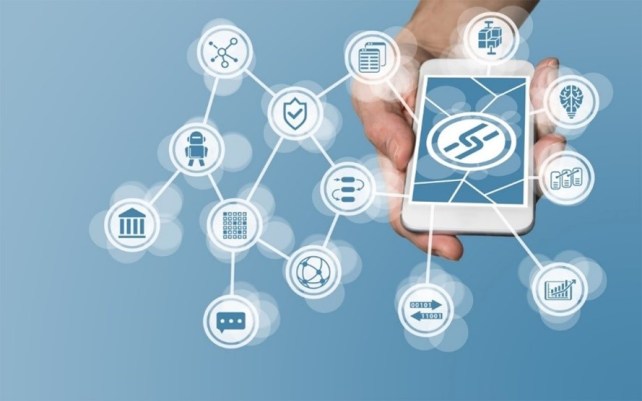
At the end of the 20th century the presence of computers started to increase and the internet became popular. This marked the starting point for a digital environment and a mobile society. The 21th century was the beginning of the digital era. Mobile devices became a central point of interaction between humans and their environment. Due to their increasing performance they are replacing even computers in our everyday life. Nothing is stopping this process and everything has to adapt to this new era. But how will this affect the work environment and how can “old-fashioned” companies adapt themselves to these new conditions. This odyssey is for every enterprise challenging.
(Quelle: http://www.strategie.gouv.fr/sites/strategie.gouv.fr/files/thumbnails/image/istock-638990482.jpg)
The Odyssey
Compared to a newly developed business or a tech company, to follow this trend and transition into a new era is often way more complicated for established companies. In this situation, most of the time, help is required from outside the company to succeed in this necessary progress. One possibility could be to get novel input in order to master this challenges is to receive consulting from companies like “ignore gravity”. This company focuses in transitioning companies into the new digital century and try to break old patterns, which usually prevents these companies from progress and innovation. To do so, they designated five leadership dimensions in which they try to teach openness in order to reach adaptability for the future to come.
The first dimension is “Emotional intelligence” in which the management of the company shall rethink their way of decision making. This comprises problems from budget plans and the present hierarchy to how to address topics concerning the future. Old mindsets can prevent adaption and innovation from succeeding. Therefore empathetic and embodied decisions are getting trained and promoted.
The second dimension is “Empowerment”. It tries to give everyone the possibility to improve the company. The leadership thereby promotes critical discussions in the team and creates a “drive” for input and give those who want to improve the necessary power. This includes all employers, clients, suppliers and the whole network involved since all are benefiting of this skill.

“Cultural innovation” is the third dimension in which leaders have to adapt. An open mindset and a culture of change are the basics for innovation. In addition, a diverse organization is required. Only if both of these conditions are fulfilled a company can come up and realize new ideas in an existing environment. Therefore new tools are proposed such as business modelling canvas, design thinking or specific apps.
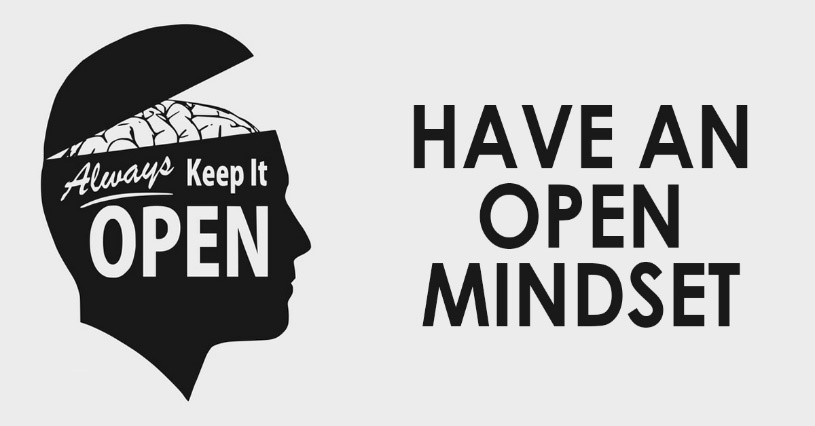
The fourth dimension is called “Emerging Future” in which leaders are getting trained to listen to everyone and establish an open mindset and get rid of their barriers. The company should see itself not as a social body, but more as a social field which shall allow to reach a trusted and sustainable future. This shall result in a bigger spectrum of knowledge and allow for a brighter future. Deep listening is an activity which might help to improve this ability and shall enable for „personal“ growth.
The last but not least dimension is “Fun”. Leadership is a hard job but should still be an opportunity to help challenging leaders themselves in an entertaining way. For one the progress and development should be an enriching and satisfying activity. At least irony might be a possibility to help to challenge the leaders themselves.
The Arrival
Those five dimensions should support the transition into the new digital era. These changes shall support the ability for new digital business models and strategies. This method worked already in many companies for example the Otto group which changed their whole sales from a “bible” sized catalog to a digital business, which is still bigger than Amazon in Germany. Additionally, the mindset change shall result in intrapreneurship and the development of new leadership talents. This should prepare the company for future challenges.

(Quelle: https://www.otto.de/)
Conclusion
In the end, every company has to adapt to the implications of a new century. Only this might result in a sustainable and profitable company. Nowadays some of those changes in the mindset are already strongly established. For example “Lean Management” and “Kaizen” are modern techniques which are already taught and are standards in a sustainable work environment. Modern companies have in addition already a very loose company structure. Only “traditional” companies have a very strict hierarchy structure which often just suppresses lower ranks to express ideas that might improve the company. Modern innovation processes have changed too in a way which involves more participants during the development of novel products. Companies nowadays increasingly try to integrate consumers and employees along all steps of the development.
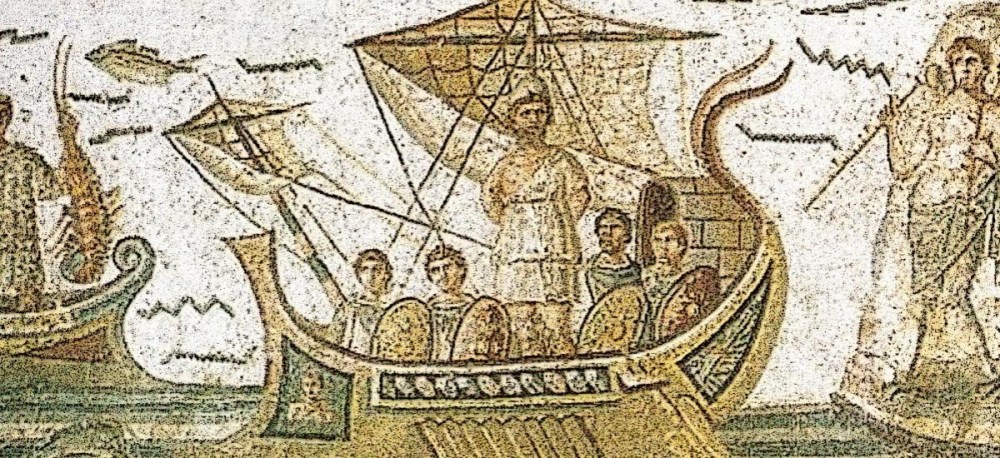
To conclude an open mindset is always the key for adaption, as in the future there will be even more changes. Digitalization is just the beginning, followed by artificial intelligence and whatever comes afterwards. This Evolution is similar to the development of machines, which first did really simple things and during the whole industrialization became more complex and resulted in a totally new era of workforce (engineers and mechanics). An Odyssey of a successful company therefore never ends. There are many decisions to make and not all of them will be proper and right – but the will to continue and try, will let those companies potentially succeed.
 FoodArchitecture


