Who’s really in charge of what ends up growing in our fields, the farmer with decades of know-how, or an algorithm crunching data in the cloud?
This provocative question is no longer science fiction. It’s a real debate unfolding as AI-driven supply chain forecasting starts acting like a new form of farm governance.
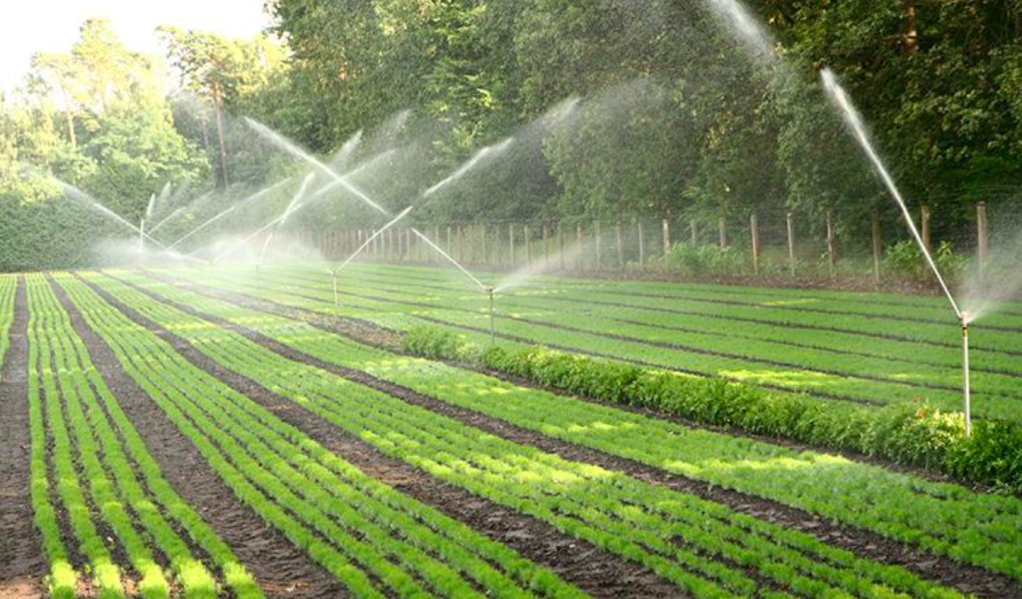
smart farms. Now they’re even influencing which crops get planted. [1]
When AI Tells You What to Plant
Modern retailers and platforms use vast data (from weather to shopping trends) to predict what consumers will want weeks or months from now. And they don’t just predict, they steer decisions. For example, a hypothetical SmartHarvest Co-op might pool data from its member farms and discover a spike in demand for oats next season. The co-op’s AI could urge farmers to shift acreage from corn to oats to ride the trend. Farmers follow the algorithm’s advice because it sees signals in the data they can’t.
Meanwhile, big food retailers are doing this on an even larger scale. Global grocery chains are deploying AI forecasting systems (think SAP’s agribusiness analytics or Microsoft’s FarmBeats data platform) to peer into the future. Walmart, for instance, has partnered with AI firms to forecast crop yields and seasonal demand for produce [2]. Using these insights, a retail giant could tell its network of growers: “Next spring, plant 15% more strawberriesand 10% less lettuce, our algorithms expect a smoothie craze.” If you’re a contract farmer for that retailer, ignoring such guidance might mean missing out on a buyer.
The Power Shift: From Soil to Software
This subtle shift hints at a power transfer from farmers to algorithms. Decisions that used to be the farmer’s domain, what to plant, when to harvest, are increasingly influenced by predictions coming from distant data centers. One futuristic scenario even imagines an AI-driven platform that “dictates to farmers not only what to grow and when to harvest but also the price they will receive,” effectively reducing farmers to gig workers obeying an opaque algorithm [3]. In less dystopian terms, some farmers fear becoming “contract workers on their own land” [4], with true control residing in the code and forecasts generated by corporations.
Why Would Anyone Accept This?
In theory, algorithmic forecasts promise efficiency and less waste. If everyone grows exactly what the market needs, food gluts and shortages could fade. Farmers might earn more stable income by aligning with predicted demand, and consumers get what they want when they want it. Indeed, advanced planning tools can now forecast yields and predict market demand with startling accuracy [5], helping to smooth out the boom-bust cycles of farming.
Risks Beneath the Surface
But there are risks when the invisible hand of the market is replaced by the invisible hand of an AI. Consider a few potential pitfalls:
• Loss of Farmer Autonomy:
The more farmers depend on algorithmic instructions, the less say they have. Their role shifts from independent decision-makers to implementers of a data-driven plan. This could erode the pride and knowledge that comes from farming by intuition and experience.
• Over-Optimization & Fragility:
Algorithms seek to optimize for current goals (often profit or efficiency). That could over-optimize the system, leaving it fragile. A model might decide only a few crop varieties are worth planting; a surprise (a blight, a climate event, a sudden diet fad) could then cause a massive disruption. Diversity and resilience might be sacrificed for short-term efficiency.
• Hidden Bias & Power Imbalances:
Whose algorithm is it, anyway? If it’s a big retailer’s AI, it might prioritize profits over small farmers’ welfare or community needs. For example, one scenario warns of “digital feudalism,” where farmers find themselves serving a platform that optimizes for its owners, not for them [3]. Less profitable regions or crops could be marginalized as the algorithm chases the money, potentially creating food deserts or undermining crop diversity.
In the end, supply chain forecasting as governance raises a bold question about the future of food: Are we okay trading some farmer freedom for data-driven efficiency? The idea of algorithms deciding what gets grown is both exciting and unsettling. It promises a smarter food system that wastes less and reacts faster, yet it also concentrates power in whoever controls the predictions. Farmers become partners with AI or perhaps subordinates to it.
Is This the Food Future We Want?
As you bite into your next meal, consider where the decision behind it was made. Increasingly, that decision is not taken in the field, but inside an algorithm optimized for efficiency, predictability, and scale. While AI-driven forecasting can reduce waste and stabilize supply, I believe its growing influence crosses a critical threshold when it starts to quietly replace human judgment.
Algorithms should support farmers, not overrule them. When data models begin to determine what is grown, where, and in what quantities, often without transparency or shared control, they stop being tools and become governing forces. Farming risks turning into the execution of distant predictions rather than a practice shaped by experience, responsibility, and local knowledge.
The real question is not whether AI belongs in agriculture, it already does, but how much authority we are willing to hand over to systems that cannot carry responsibility when they fail. When efficiency starts to outweigh stewardship, we must ask: who should ultimately decide what gets grown, and who answers for the consequences?
Ricardo Tschurr
(ChatGPT was used as a support tool for text editing and for generating the title image.)
Sources:
[1] Alina, P. (2025, November). AI in Agriculture – The Future of Farming. Retrieved from
Intellias: https://intellias.com/artificial-intelligence-in-agriculture/
[2] Catherine, D M. (2025, March). Walmart adds AI partner for produce crop monitoring. Retrieved from Grocery Dive: https://www.grocerydive.com/news/walmart-adds-partner-produce-crop-monitoring-artificial-intelligence/743919/
[3] Sustainability Directory. (2025, November). Decentralized Data Platforms and Food Waste Prediction. Retrieved from Prism Sustainability Directory: https://prism.sustainability-directory.com/scenario/decentralized-data-platforms-and-food-waste-prediction/
[4] Daum, T. (2026, January). Farming in the Age of Algorithms: Who Decides How Farmers Think? Retrieved from A Bigger Conversation: https://abiggerconversation.org/farming-in-the-age-of-algorithms-who-decides-how-farmers-think/
[5] LeverX. (2026, January). SAP Solutions for Agriculture & Farming. Retrieved from LeverX: https://leverx.com/industries/agriculture-and-farming
 FoodArchitecture